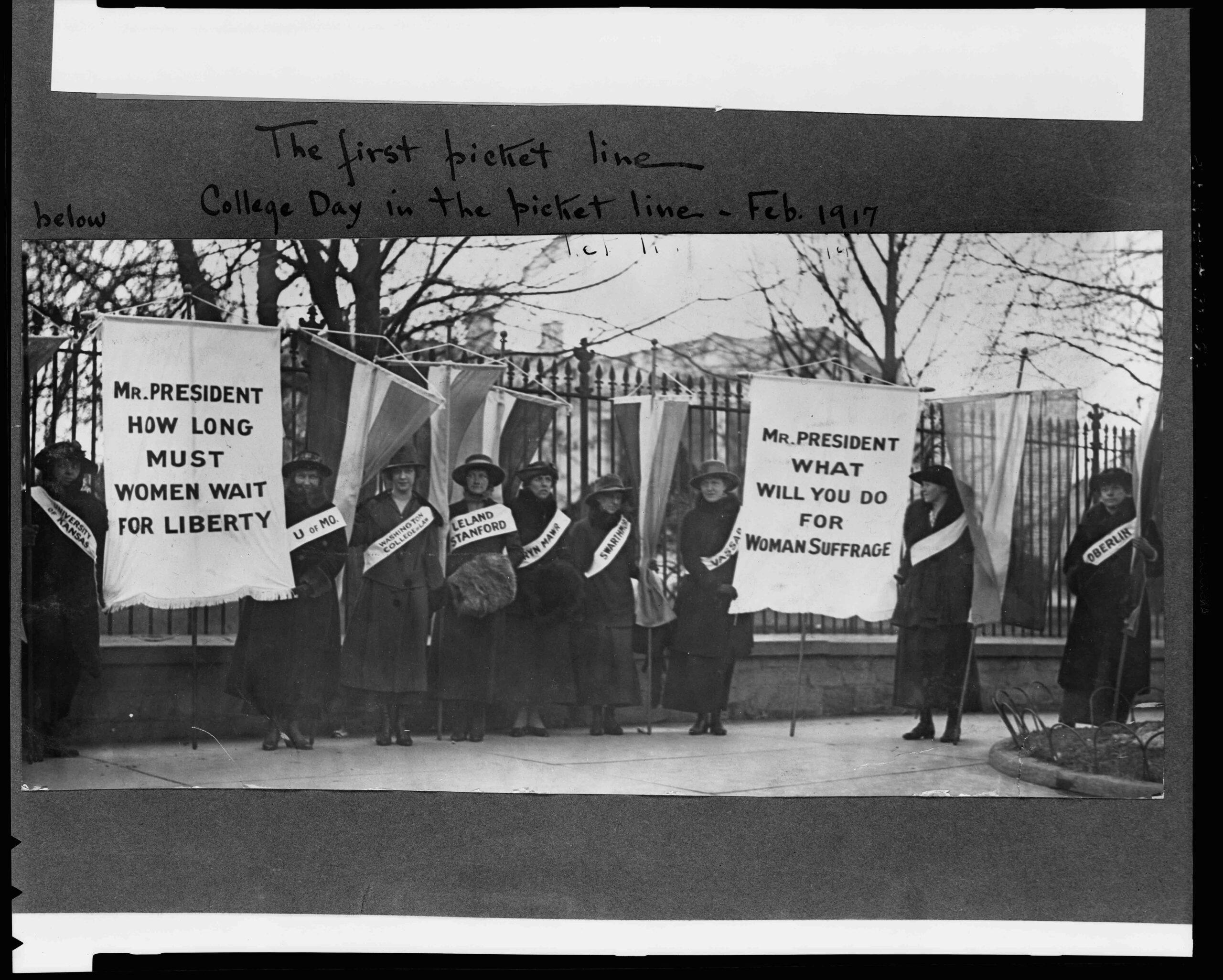
As International Women's Day approaches, the spirit of advocacy and historical remembrance often takes center stage. This year, a particularly poignant women's day stunt unfolded, serving as a powerful reminder of the enduring fight for rights and the timeless nature of protest. Before delving into this impactful demonstration, it's worth clarifying a common point of potential confusion. The word "stunt" itself can refer to a daring feat, an attention-grabbing action – which is precisely how it applies to the protest discussed here. However, it also names a distinct athletic discipline, the sport of STUNT, an exciting evolution of cheerleading focused on technical prowess and athletic competition. While the sport of STUNT is a fantastic platform for female athletes, the "women's day stunt" that captured headlines is a compelling act of civil disobedience, meticulously designed to draw parallels between historical struggles and contemporary challenges.
Echoes of History: The Suffragette Stunt and Its Message
Ahead of International Women's Day on March 8th, a striking demonstration took place outside London's iconic National Gallery. Activists from Fossil Free London, dressed in the iconic attire of early 20th-century suffragettes, staged a powerful protest. This deliberate women's day stunt wasn't merely a theatrical display; it was a deeply symbolic action aimed at highlighting a critical issue: the tightening grip of anti-protest laws. The sight of these modern-day suffragettes, holding placards that starkly compared the jail terms received by today's climate protesters to those endured by militant suffragettes, resonated with a profound historical irony.
The message was unequivocal: 'Protest gave us the right to Vote.' This slogan encapsulates the core argument that fundamental rights, often taken for granted today, were not bestowed but fiercely fought for through persistent and often disruptive civil disobedience. By invoking the suffragette movement, the campaigners aimed to remind the public and policymakers alike of the vital role protest plays in democratic societies – a role that, they argue, is increasingly under threat.
Why Suffragettes? A Timeless Symbol of Resistance
The choice of suffragettes as the embodiment of this women's day stunt was no accident. The suffragette movement, spearheaded by figures like Emmeline Pankhurst, famously employed militant tactics to secure voting rights for women in the United Kingdom. Their methods, which included:
- Organized marches and public demonstrations
- Hunger strikes and forced feeding in prisons
- Acts of civil disobedience, sometimes involving property damage
- Confrontational lobbying of politicians
were often met with severe legal repercussions, public condemnation, and imprisonment. Yet, it was this unwavering commitment, often at great personal cost, that ultimately forced society to confront and change discriminatory laws. The suffragettes represent a powerful narrative of resilience, a testament to the idea that significant social change often necessitates challenging the status quo, even when it means breaking the law in pursuit of a higher moral principle.
Navigating Modern Waters: Anti-Protest Laws and Their Impact
The central point of the National Gallery women's day stunt was the explicit comparison between historical and contemporary crackdowns on protest. Activists today, particularly those involved in climate action, face increasingly stringent anti-protest legislation in many countries. These laws often come with heightened penalties, broader definitions of disruptive behavior, and expanded police powers, leading to longer jail terms and heavier fines for protesters.
The campaigners argued that the experience of climate activists – facing arrest, prosecution, and incarceration for drawing attention to an existential crisis – mirrors the suppression faced by suffragettes who were deemed "extremists" for demanding fundamental political rights. This parallel is designed to provoke a critical examination of:
- The Nature of Dissent: When does legitimate protest cross into unlawful disruption, and who defines that line?
- Historical Amnesia: Are societies forgetting the lessons of past movements, which often relied on civil disobedience to achieve justice?
- Democratic Freedoms: What is the long-term impact on democratic societies if the right to protest is significantly curtailed?
By framing their action in this historical context, the Fossil Free London group underscored that the struggle for fundamental rights and a livable future is intertwined with the freedom to express dissent. The ongoing debate surrounding these legislative changes and their implications for future activism is crucial. For a deeper dive into the contemporary relevance of such actions, consider reading our related article: Modern Suffragette Stunt Ahead of Women's Day: A Call for Rights.
International Women's Day: A Platform for Continued Advocacy
Staging this significant women's day stunt just before International Women's Day adds another layer of meaning and urgency. International Women's Day, observed globally on March 8th, is a day dedicated to celebrating the social, economic, cultural, and political achievements of women, while also advocating for gender equality. Its origins are deeply rooted in women's labor movements and demands for better working conditions and voting rights.
The suffragette-themed protest perfectly aligns with the historical and continuing spirit of IWD:
- Celebrating Past Victories: It serves as a stark reminder of the sacrifices made by women in history to secure rights that many now enjoy.
- Highlighting Ongoing Struggles: It draws attention to contemporary challenges, emphasizing that the fight for justice – whether for women's rights, environmental protection, or social equity – is ongoing.
- Empowering Future Action: By linking past and present, it encourages individuals to consider their role in advocating for change and protecting fundamental freedoms.
The stunt thus transforms IWD from a mere celebration into a moment of reflection and a call to renewed action, connecting women's historical fight for enfranchisement with the current struggle for environmental justice and the preservation of protest rights. To explore more about how history informs current protest movements, see our analysis: Protest History Repeats? Women's Day Suffragette Action Examined.
The Art of Stunts: Effective Advocacy in the Public Eye
In an age of constant information overload, the "stunt" – or highly visible, symbolic protest action – remains a powerful tool for advocacy. A well-executed women's day stunt like the one seen at the National Gallery achieves several crucial objectives:
- Captures Attention: The visual spectacle of suffragettes immediately draws eyes and curiosity, cutting through the noise.
- Generates Media Coverage: Unique and visually compelling actions are more likely to be reported by news outlets, amplifying the message.
- Fosters Discussion: Such actions spark debate, encouraging the public to engage with complex issues.
- Creates Emotional Resonance: Tapping into historical narratives and shared values can create a deeper, more lasting impact than dry statistics.
For those looking to understand or evaluate such public actions, consider these tips:
- Look Beyond the Surface: What is the deeper message or historical context the protesters are trying to convey?
- Identify the Target Audience: Who are they trying to reach – policymakers, the general public, or fellow activists?
- Assess the Impact: Did it generate discussion? Did it shift perspectives? Even negative reactions can sometimes serve to highlight an issue.
Ultimately, a successful "stunt" in the context of protest is not just about making a splash, but about effectively communicating a message, galvanizing support, and pushing for tangible change.
The women's day stunt staged by Fossil Free London at the National Gallery serves as a potent reminder that the right to protest is a cornerstone of democracy, intricately linked to the historical fight for human rights and social progress. By evoking the spirit of the suffragettes, these activists not only honored past struggles but also drew urgent attention to contemporary threats to civil liberties. As International Women's Day prompts us to reflect on the progress made and the battles still to be won, such powerful demonstrations underscore the ongoing necessity of vigilance, advocacy, and the courage to speak truth to power, ensuring that the lessons of history are never forgotten.